
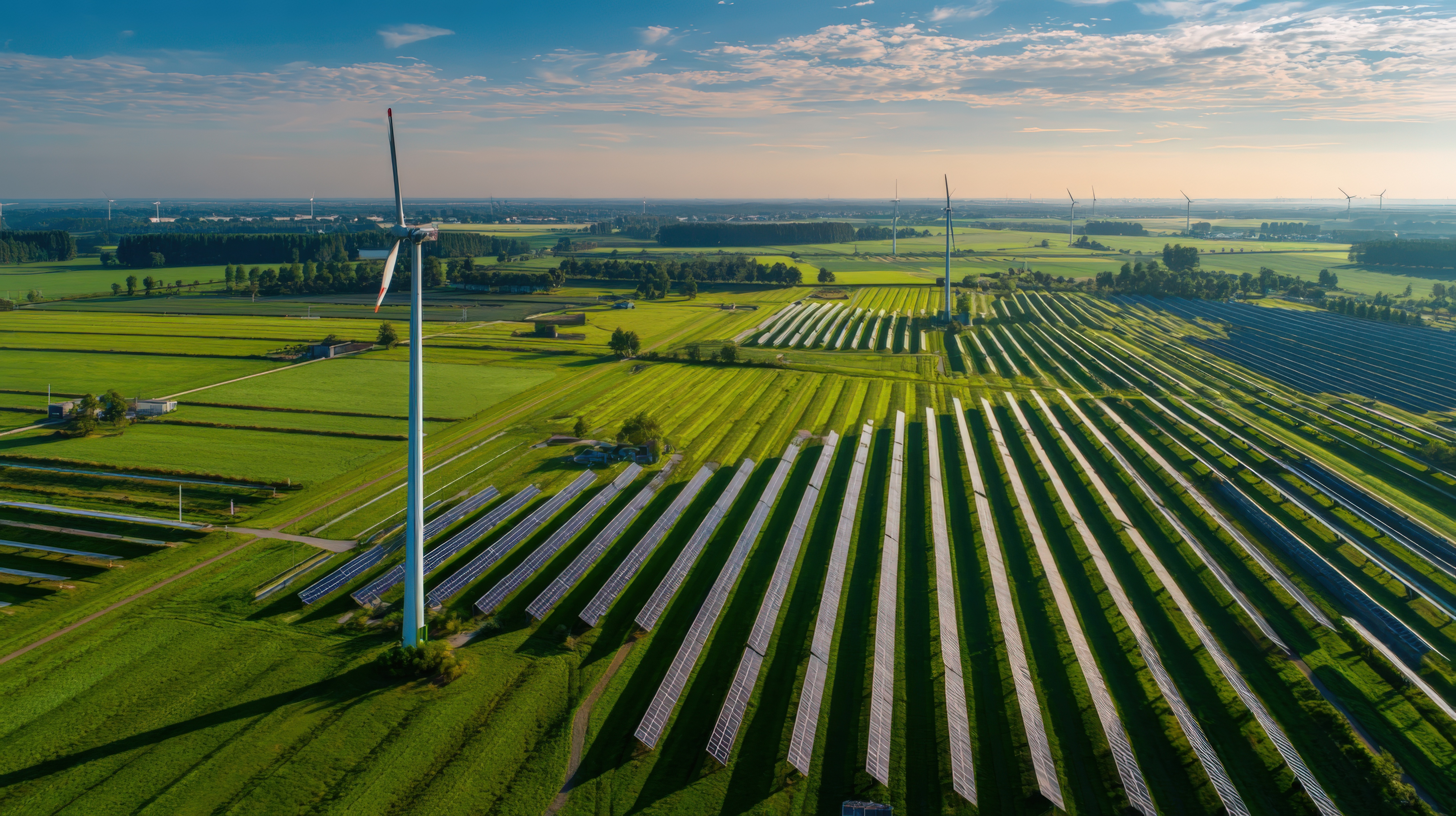
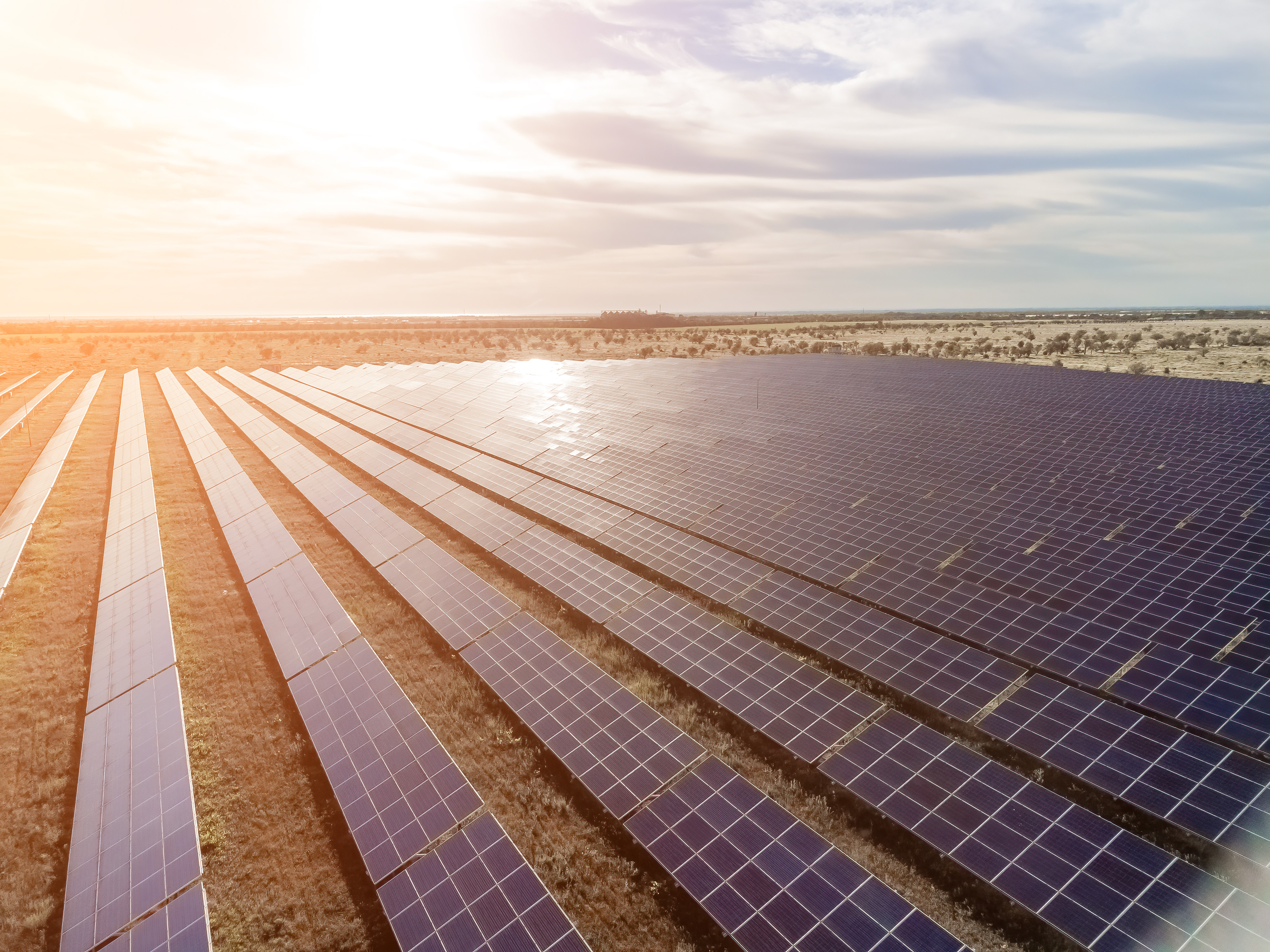
The energy systems of tomorrow will not be defined solely by technological progress. They will be shaped by the structural decisions being made today.
As cities expand and mobility patterns evolve, a fundamental constraint is becoming increasingly evident: traditional energy infrastructure is no longer designed to support emerging demand profiles. The combined effect of rapid urbanization and the acceleration of transport electrification is placing unprecedented pressure on existing grids.
In this context, the challenge is no longer the adoption of renewable energy. It is the intelligent integration of these resources into a coherent and scalable system.
Historically, energy generation, storage, and mobility have been developed as separate verticals, each operating within its own framework. This fragmented model is now reaching its limits. It creates inefficiencies, slows down the deployment of new use cases, and complicates demand management.
A structural shift is underway.
Solar energy, energy storage, and electric mobility are converging into a unified ecosystem, where each component interacts dynamically with the others. Energy is no longer simply produced and consumed, it is orchestrated.
Within this new paradigm, solar infrastructure supplies localized energy systems, storage technologies stabilize intermittency and optimize usage, and electric mobility evolves from a passive demand source into an active component of the energy system.
This transition toward integrated energy systems is built on three fundamental pillars:
- Decentralization, bringing generation closer to consumption and reducing reliance on centralized grids
- Operational intelligence, enabled by advanced energy management systems
- Sustainability, as a structural requirement rather than an optional objective
This transformation extends beyond technology. It requires a fundamental rethinking of business models, regulatory frameworks, and investment strategies.
Actors capable of structuring and deploying these integrated ecosystems will secure a decisive strategic advantage. They will no longer operate as energy providers, but as architects of comprehensive energy systems.
In this context, the development of solutions that combine solar infrastructure, storage, and electric mobility is not simply an opportunity, it is a necessity. The objective is no longer to deploy isolated assets, but to design scalable energy platforms capable of evolving alongside urban and industrial demand.
This future is not theoretical.
It is already being built through projects that are redefining how energy is produced, distributed, and consumed across modern urban environments.
The real question is no longer whether this transformation will happen, but how quickly it will be implemented, and which actors will lead it.